
- No Products In The Cart
- start shopping

Paleo Diet vs Mediterranean Diet

The Mediterranean diet appears to support heart health and improve blood sugar levels, but it’s unclear whether the paleo diet has the same effects. Neither diet has strong evidence supporting the idea that it reduces inflammation. For example, some people may choose more saturated fats like red meat, butter, and lard, while others opt for unsaturated fats like olive oil, nuts, and seeds. It focuses on flavorful ingredients like vegetables, fruits, legumes, whole grains, seafood, nuts, seeds, and olive oil. Animal products, like dairy and eggs, are enjoyed in moderate amounts. A Healthy, Balanced Lifestyledepends upon your health and fitness goals.
How to Choose Between Mediterranean and Paleo

The information provided in our articles are meant for informational and educational purposes exclusively and should not be considered as medical advice. It is essential to consult a healthcare professional before starting a new nutritional product and/or making significant changes to your diet and/or starting a new exercise regime. These products are not intended to diagnose, treat, cure, and/or prevent disease. The diet’s inclusion of moderate wine consumption has also been linked to improved cardiovascular health, though this aspect should be approached with caution depending on individual health factors. The diet emphasizes the importance of enjoying meals with family and friends, incorporating a lifestyle component that enhances the overall eating experience. Among the frontrunners that have captured the attention of health enthusiasts are the Paleo and Mediterranean diets.
Your Why or Motivation for Fitness
As discussed in further detail in the book, some sources of saturated fat are worse than others. The long-chain saturated fats (found in large amounts in palm oil for example) appear to be the most problematic. But even the medium-chain fats found in coconut oil can contribute to inflammation by facilitating the transport of bacterial fragments across the intestinal wall. These bacterial fragments (known as endotoxin or lipopolysaccharide) can then trigger a widespread inflammatory response. The message is loud and clear- we are not supposed to eat what our ancestors didn’t.
Popular Italian Recipes
Anything that requires intensive farming is out, so that means cutting out beans and legumes, cultivated grains and dairy. Today, many food companies offer paleo-friendly products that make following a paleo diet a somewhat more convenient proposition. The paleo diet and Mediterranean diet are often confused with one another.
- The low consumption of sugar and refined carbohydrate in a Mediterranean diet can help stabilize blood sugar levels and lower the risk of diabetes.
- The carb content in a Mediterranean meal is confined to unrefined fibrous sources such as vegetables, fruits, beans, and whole grains.
- If weight loss is your primary concern, exercising is another necessary component, next to diet.
- “A lot of research these days is focused on the microbiome and how it affects our health.
- Your choice should align with your cultural preferences, health goals, and lifestyle needs.
- Thanks to the lifestyle of the people living around the Mediterranean Sea, you are also allowed moderate amounts of red wine with the evening meal.
Health Benefits It Offers
While paleo eliminates grains andlegumes, the Mediterranean diet welcomes them – to an extent. Strictly following a Paleo diet results in high protein and fat intake, and low carbohydrate intake. Anecdotally, many followers of the Paleo diet tend to focus on the meat-eating aspect of the diet (bacon all day!) and neglect the more healthful side (focusing on fresh veggies and fruit). The exclusion of grains and dairy, both sources of essential nutrients such as calcium and fiber, could pose long-term health risks, including bone density loss and digestive issues. Additionally, the Mediterranean diet focuses on plant-based, minimally processed foods instead of highly processed foods.
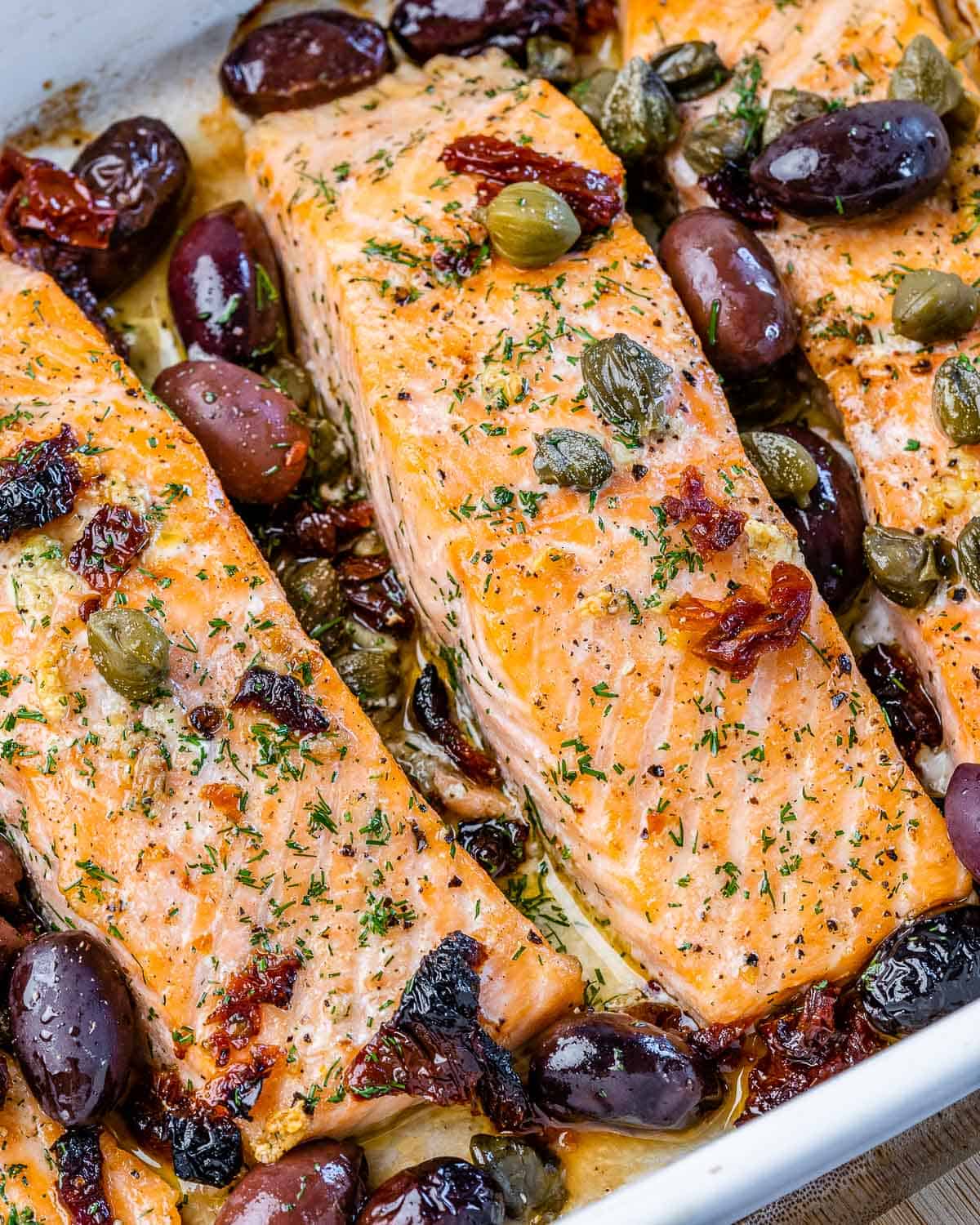
Scientific studies supporting the Mediterranean Diet
Both the Mediterranean and paleo diets emphasize fruits, vegetables, nuts, seeds, and some meats while limiting highly-processed foods. according to dumascoop The paleo diet also restricts legumes, dairy, and grains. The Paleo Diet and Mediterranean Diet are two different types of diets that have gotten very popular these days. Many people have criticized these diets as fads, which means that they restrict food intake of certain kinds which results in unbalanced nutritional intake. Fad diets usually lead to short term weight loss, and have no concern for long-term weight maintenance. Fad diets usually become very popular for a short amount of time and then decline in popularity.
Flexitarian and Mediterranean: Plant-Forward Diets With Key Differences
The keto diet involves getting most of your calories from fat. Usually, a standard diet is around 50 percent carbohydrates, which are broken down into glucose the cells use for energy. Let us dive into these three diets and dissect their various benefits and downsides to understand what sets them apart from each other. The Paleo diet has more restrictions than the Mediterranean diet. As such, it may be harder to follow the Paleo diet for the long term. With such strict limits on carbs, cravings may cause you to veer off course.
The Best Street Food I Ate in Bangkok: My Top 10 Picks
Totally inspired by Eaton, he researched ancestral diets further and came up with his 2002 book “The Paleo Diet” made the idea much more mainstream. Started in the 1970s by gastroenterologist Walter Voegtlin. He wrote “The Stone Age Diet,” pitching eating like our Paleolithic ancestors. In nations around the Mediterranean, younger people are not adhering to it as much. When on Paleo, you should take enough water and stay physically active. Some people on this diet take black coffee or green tea, but all soft drinks and juices with added sugar are prohibited.
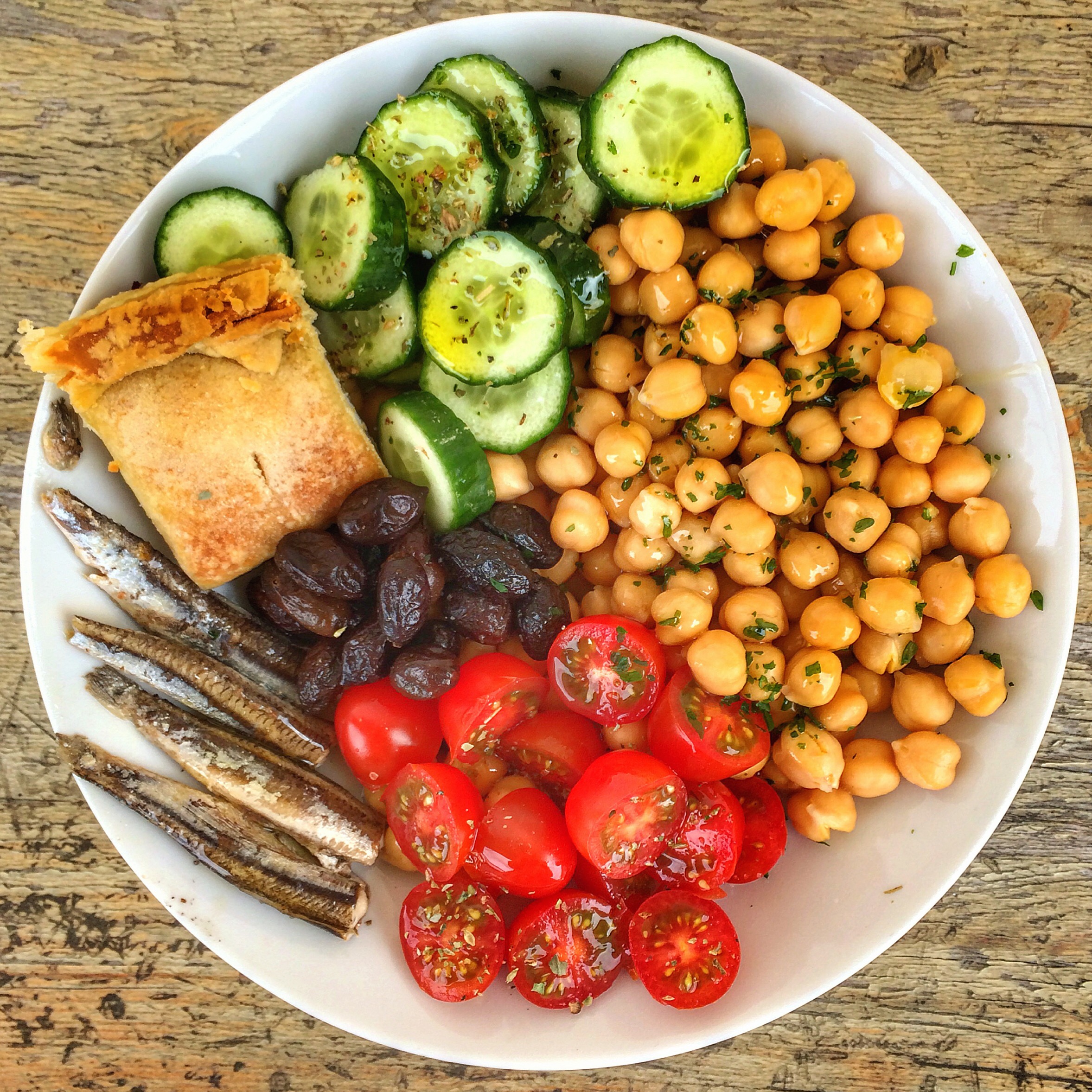
The Paleo and Mediterranean Diets Both Consist of Whole Foods, But One is Better for Your Overall Health
While not as extensively studied as the Mediterranean diet, the Paleo diet shows promising evidence for improving blood sugar, lowering inflammation, reducing bloating, and aiding weight loss. The Paleo diet, or Paleolithic diet, is based on the idea that our modern diet is mismatched with our evolutionary biology. By returning to the foods eaten by hunter-gatherers, Paleo proponents believe we can reduce inflammation, improve metabolism, and restore gut health.
From a weight loss perspective, the Mediterranean diet is still the healthiest way to lose weight because it is more sustainable and less restrictive overall. Additionally, the paleo diet restricts and completely eliminates certain food groups, including dairy, legumes, cereals, grains, and rice. Discover calorie-specific meal plans, low-carb options, and seasonal recipes to hit your goals without sacrificing flavor. This cuts down on monoculture farming, bad for the environment.
Powerful Benefits of Prebiotics You Should Know
In this story, we size up https://en.wikipedia.org/wiki/Dieting the Mediterranean and Paleo diets. There are numerous dietary structures people use to achieve their nutritional goals, and it’s important to compare your options before starting anything new. If you’re curious about the benefits of the Mediterranean diet vs. the paleo diet, this guide will teach you the basics you need to make informed choices about your meals. The goal of the Paleo diet is to eliminate modern processed foods and focus on natural nutrition.
The Mediterranean Diet vs. Atkins — Which Is Healthier, and Why?
Offensive language, hate speech, personal attacks, and/or defamatory statements are not permitted. This content is not a substitute for professional medical advice or diagnosis. Always consult your physician before pursuing any treatment plan.
