
- No Products In The Cart
- start shopping

Exposing the truth behind common casino myths and misconceptions

Exposing the truth behind common casino myths and misconceptions
The Gambler’s Fallacy
One of the most prevalent myths in gambling is the gambler’s fallacy, which is the belief that past events can influence future outcomes in games of chance. For example, a player might think that if a roulette wheel has landed on red multiple times in a row, black is “due” to hit next. This misconception overlooks the fundamental principle that each spin is independent and random, making past results irrelevant to future ones. In fact, exploring the best non gamstop casinos uk can help players understand more about these myths.
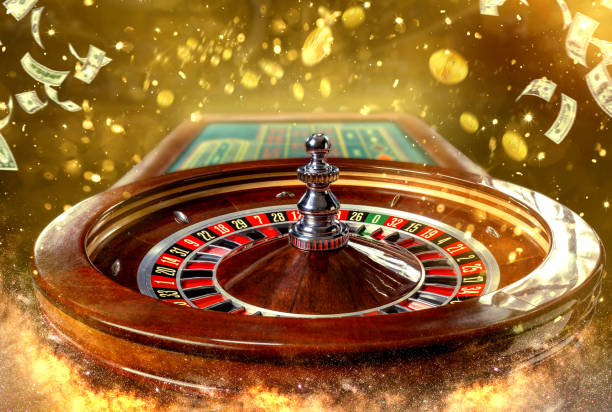
Understanding this fallacy can save players a lot of money and frustration. By recognizing that each event in a game of chance is not influenced by the previous events, players can approach gambling with a clearer mindset and make more informed decisions. Accepting the randomness of these games is key to enjoying the experience without unnecessary anxiety about past outcomes.
The House Always Wins
Another common belief is that the house always wins, suggesting that players are bound to lose in the long run. While it’s true that casinos have an edge in every game, this doesn’t mean that players can’t win. Many games offer strategies that can enhance a player’s chances of success. For instance, in games like blackjack, players can employ strategies that lower the house edge significantly.
Moreover, successful gambling often relies on discipline and smart money management. Players who set limits and stick to a strategy can enjoy the thrill of gambling while also maximizing their chances of winning. Understanding that the house edge varies by game and implementing effective strategies can lead to a more favorable outcome.
All Casino Games Are Rigged
There is a widespread belief that all casino games are rigged against the player. This misconception can stem from stories of unfair practices or bad experiences at certain establishments. However, reputable casinos operate under strict regulations and are regularly audited to ensure fairness. Games like slots and table games use random number generators to guarantee that outcomes are fair and unpredictable.
While it’s essential to choose licensed and regulated casinos, claiming that all games are rigged is simply untrue. Players can confidently engage in games at reputable venues, knowing that they are subject to industry standards designed to ensure fair play. Understanding how games work can alleviate fears and enhance the overall gaming experience.
High Rollers Have Better Odds
Many believe that high rollers receive better odds or preferential treatment in casinos. While it’s true that high-stakes players might receive additional perks such as better service or exclusive bonuses, their odds of winning do not improve. The odds are determined by the game itself and remain constant regardless of the bet size.
This myth can lead to misconceptions about gambling economics, making players feel pressured to wager more to enjoy a better experience. In reality, players of all budgets can enjoy the games and have the same odds based on the rules of each game. Understanding this can help players enjoy their chosen stakes without feeling compelled to bet more than they can afford.

Making Informed Choices with Expert Insights
This website serves as a valuable resource for players looking to navigate the complex world of online gambling. By providing expert insights and detailed reviews, players can access the information they need to make informed choices about their gaming experience. The focus on non-GamStop casinos allows players to explore a variety of options without the usual restrictions.
With an emphasis on transparency and reliability, users can discover casinos that offer generous bonuses, extensive game libraries, and fast transaction processes. This empowers players to maximize their enjoyment while ensuring safety and security in their gaming ventures. Engaging with comprehensive guides and expert recommendations can lead to a fulfilling gambling experience tailored to individual preferences.
